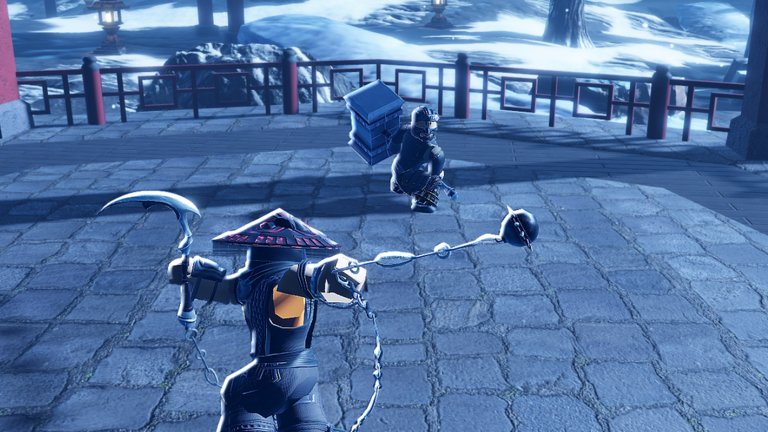
Mastering the Dueling Grounds Kusarigama Combo: Pro Tips
Discover the best Dueling Grounds Kusarigama combo techniques. Learn how to dominate the arena with this versatile chain weapon and climb the ranked ladder.
Published: Dueling Grounds Wiki Editorial Team
Table of Contents
The thrill of combat in Dueling Grounds is defined by your ability to master unique weapon mechanics, and few tools offer as much potential for brilliance as the chain-based arsenal. If you are looking to elevate your gameplay, learning the perfect Dueling Grounds Kusarigama combo is your gateway to controlling the pace of every match. Mastering this weapon is crucial because it allows you to dictate engagement distances while punishing opponents who rely on predictable patterns.
Whether you are a newcomer struggling to find your footing or a seasoned veteran aiming for the top of the leaderboard, the Kusarigama stands out as a high-skill-ceiling choice. In this guide, we will break down how to optimize your movement, timing, and strike sequences to turn this flexible weapon into your deadliest asset.
Understanding the Kusarigama: Why It Reigns Supreme
The Kusarigama is categorized as a "variable range" weapon, placing it in a unique position compared to the static reach of the Katana or the long-range zoning of the Naginata. According to official game information, this weapon is specifically designed for controlling distance and disarming opponents.
The primary reason to invest time into a Dueling Grounds Kusarigama combo is its unpredictability. While other weapons force you into a specific playstyle, the Kusarigama allows you to switch between mid-range pokes and close-quarters traps seamlessly.
Weapon Comparison Table
Weapon
Role
Optimal Range
Difficulty
Daggers
Aggression
Close
Moderate
Katana
Balanced
Mid
Easy
Naginata
Zoning
Long
Hard
Kusarigama
Mix-up
Variable
High
Core Mechanics: The Foundation of Your Combo
Before diving into complex sequences, you must understand the "flow" of the weapon. Community reports suggest that the weapon’s strength lies in its ability to punish back-dashers. Because many players rely on retreating to reset their shield, the Kusarigama’s reach allows you to clip them mid-dash, effectively shutting down their primary defensive maneuver.
The Anatomy of a Successful Engagement
Initiation: Use a light attack to test the opponent's reaction speed.
Spacing: Maintain a distance where you can strike, but they cannot reach you with a standard light attack.
The Mix-up: Integrate your heavy attacks (M2) to break their guard rhythm.
The Punish: Once the opponent attempts a parry and misses, execute your full chain.
Tip
Mastering the M2 Timing
The M2 attack on the Kusarigama is your most potent tool. Do not spam it. Wait for the opponent to commit to a movement or a swing, then use the M2 to punish their recovery frames.
Advanced Strategies for Dueling Grounds Kusarigama Combo
To truly master the Dueling Grounds Kusarigama combo, you need to stop thinking about individual attacks and start thinking about "rhythm manipulation." High-ELO players often utilize a technique where they delay their second or third strike to catch opponents who are timing their parries based on muscle memory.
Effective Combo Sequences
The Pressure Opener: Light + Light + Dash Forward + Light. This forces the opponent to prioritize defense, draining their shield gauge rapidly.
The Guard-Break Setup: Heavy (M2) + Light + Light. Use this when the opponent is playing passively behind their shield.
The Anti-Dash Trap: Dash Back + Heavy (M2). This is perfect for when an opponent tries to aggressively chase you down.
Combo Type
Best Used Against
Why It Works
Quick Poke
Dagger users
Keeps them out of their optimal range
Heavy Mix-up
Passive blockers
Chips away at shield health
Dash Counter
Aggressive rushers
Punishes over-commitment
Common Mistakes to Avoid
Even the best players fall into traps. One of the most frequent errors reported by the community is "over-committing." Because the Kusarigama requires precision, missing your strikes leaves you vulnerable to counter-attacks from faster weapons like Daggers.
Predictable Patterns: If you always use the same three-hit chain, your opponent will parry you effortlessly. Always vary your end-hit.
Ignoring the Center: Never let yourself be pushed to the edge of the arena. The Kusarigama needs space to function; if you are cornered, you lose your range advantage.
Panic Parrying: If you miss a parry, don't try to force a counter-attack immediately. Dash to reset the neutral game.
Positioning and Arena Control
Winning in Dueling Grounds is rarely just about raw mechanical skill; it is about arena control. As a Kusarigama user, your goal is to force your opponent into the center of the map where you have the most room to maneuver.
If you find yourself against a Katana user—the current meta-favorite—do not engage them head-on in close quarters. Use your variable range to poke them from just outside their reach. If they try to dash in, use your M2 to interrupt their momentum.
FAQ: Frequently Asked Questions
Is the Kusarigama the best weapon for beginners?
While it is extremely powerful, it has a high skill floor. Beginners may find the Katana easier to learn, but the Dueling Grounds Kusarigama combo offers more depth for those willing to practice timing and spacing.
How do I counter Dagger users with the Kusarigama?
Dagger users rely on speed. Your best strategy is to stay at "tip-range." Do not let them get into your personal space. Use your range advantage to strike before they can close the gap.
What is the most important tip for a Kusarigama main?
Patience. The weapon is designed for mix-ups. If you spam your attacks, you will be parried. Learn to observe your opponent's defensive habits for the first few seconds of the match before committing to your strongest combos.
Does the Kusarigama work well in Ranked?
Yes, it is a top-tier choice for ranked play because it forces opponents to play your game. Once you master the timing, you can easily climb the ELO ladder by punishing players who haven't learned to deal with chain-weapon reach.